



NEWS
Culture Is A Business Strategy: Why Aligning Workplace Practice with National Culture Drives Performance
National and workplace culture shape how people work, make decisions and connect with customers. For HR leaders, getting that alignment right is a lever for engagement, retention and results.
Every year on 24 November, Vietnam marks Culture Day, a reminder that heritage, values and shared ways of living are part of everyday life. They are also part of every workplace. Culture is more than a backdrop to business: it shapes how teams communicate, how decisions get made and how customers respond to a brand. That makes Culture Day a particularly relevant moment to ask a practical question: how much of our culture shows up in the way we manage?
If you lead people in Vietnam, you probably know the answer is “more than you think.” Imported HR playbooks often fail not because they are mistaken, but because they ignore how work actually gets done here. Organisations that treat culture as a strategic input, rather than an afterthought, engage their people and perform better. Here are four examples of why it matters and what the benefits look like.
1. “Yes” doesn’t always mean “yes.”
In many Vietnamese workplaces, preserving harmony and “face” matters. A junior colleague may say “dạ” or “vâng” (yes) to show respect and that they heard you, not that they agree or can deliver. Silence in a meeting is often deference, not a lack of ideas. Managers who run open-floor brainstorms and wait for pushback may receive politeness instead of candour. The fix isn’t to drop feedback culture; it’s to adapt it: gather input in small groups or one-on-ones first, ask “what risks do you see?” rather than “any objections?”, and give corrective feedback privately.
2. Hierarchy is built into the language.
Vietnamese address terms (anh, chị, em, cô, chú) encode age and seniority in every interaction. Many teams are comfortable with this hierarchy and see first-name, flat-structure approaches from head office as either cold or confusing. That doesn’t mean decisions must be top-down. It means leaders can be approachable while still respecting seniority, for example by having a senior team member express support for a new idea before it is discussed more widely.
3. Tết is an HR event, not just a holiday.
No other date shapes the Vietnamese HR calendar like Tet. The 13th-month or Tet bonus is widely expected. Employees travel to their home provinces and families, so output slows well before the break, and recovery takes time after it. And resignations tend to cluster after Tet, once bonuses are paid and people reassess their year. Smart employers plan for all three: they communicate bonus policy early, schedule critical deliverables ahead of the slowdown, and put retention conversations in place in December and January, not in February when notices arrive.
4. Work and family are not separate worlds.
Family obligations, including caring for parents, hometown visits and anniversaries of deceased relatives, carry real weight. So do team rituals: shared lunches, the year-end party (tất niên), birthdays and team trips. These aren’t “extras”. They are how trust is built. A wellbeing policy that offers only individual perks may miss what employees value most: flexibility for family and a sense of belonging to the team.
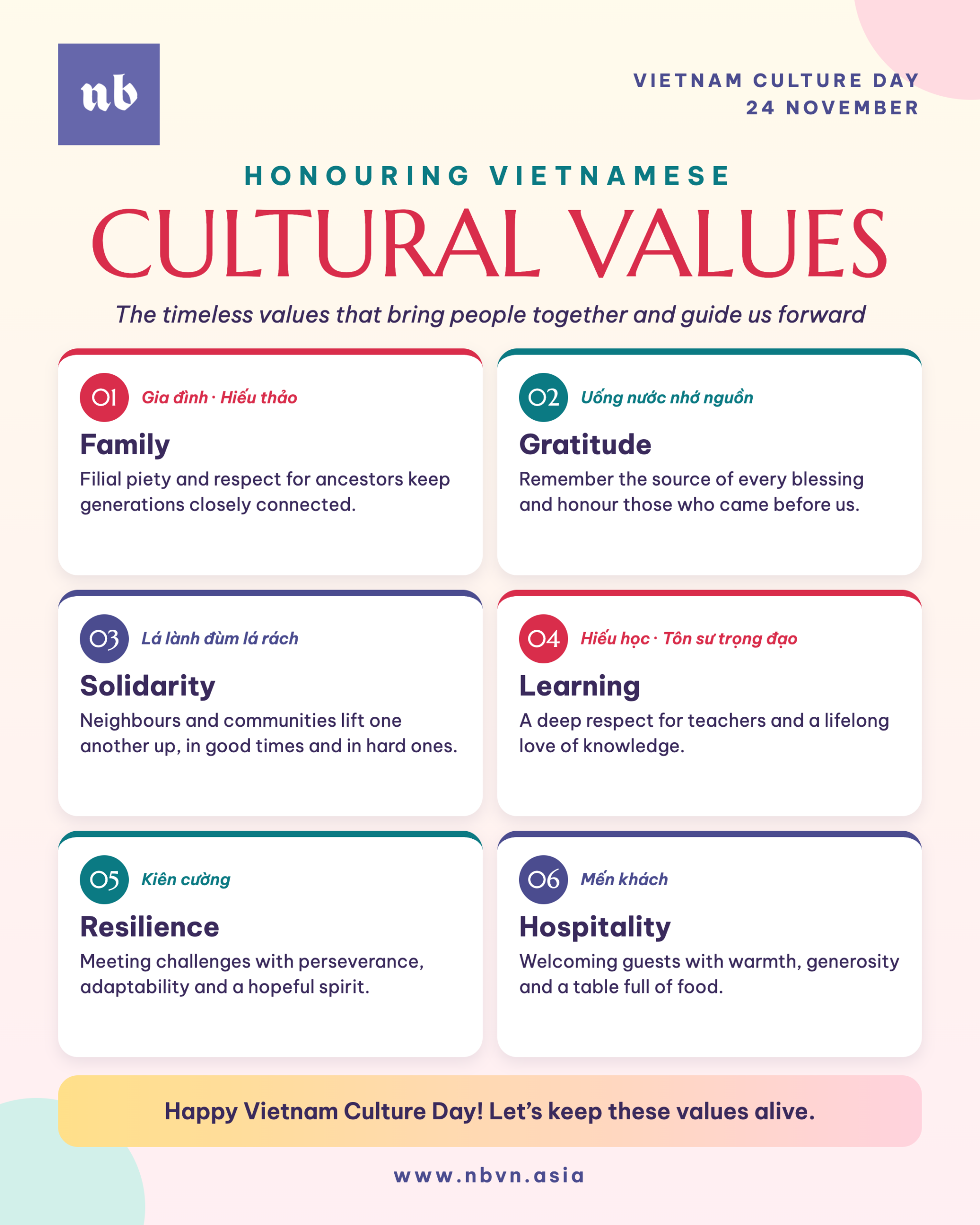
Honouring Vietnamese cultural values. (Source of Image: Claude)
What alignment delivers
- Engagement and retention. Employees who feel understood stay longer. Respect for seniority, predictable Tet practices and flexibility around family are inexpensive signals that a company “understands these values”.
- Trust and collaboration. Teams communicate better when managers can read what is said and what is not.
- Performance. Better planning, fewer surprises and a more committed workforce.
Questions for HR practitioners
- Does our feedback process work for people who avoid public disagreement?
- Do our policies and calendar plan for Tet, including bonus, leave and the resignation season after?
- Are we importing leadership norms from head office unchanged, or have we tested them locally?
- Do managers from abroad receive onboarding on local etiquette, and do local managers know what the global team expects of them?
A caution
None of this is universal. Practice varies between Hanoi and Ho Chi Minh City, between state-owned firms, startups and multinationals, and between generations. Many younger professionals expect more directness and flat structures. Culture is a starting hypothesis, not a stereotype, so test it with your own people.
The takeaway
Culture isn’t a “soft” topic. In Vietnam, it shapes when people speak up, when they leave and why they stay. Companies that design practices around it, rather than around the business, keep their people and perform better.
How does your organisation adapt to the local culture? What has worked, and what has backfired?
Edited and proofread by the Brand Identity Team at NB Asia Executive Search LLC, with assistance from AI.
NB Asia is a highly experienced and strategic human resources consulting firm that specialises in providing an extensive range of executive placement, board services, organisational structure, and people solutions to business partners across Asia. We are privileged to have the opportunity to work with many outstanding companies in various industries across Asia. Don’t forget to follow NB Asia’s social media pages across multiple platforms (Facebook, Instagram, and LinkedIn) for updates on valuable knowledge and beautiful life information, and let’s work together to bring a better life to everyone!
For clients, please contact us via email at SERVICES@nbvn.asia, and for candidates, please email us at PEOPLE@nbvn.asia. We will respond to your inquiry within 24 hours.
Related news
Culture Is A Business Strategy: Why Aligning Workplace Practice with National Culture Drives Performance

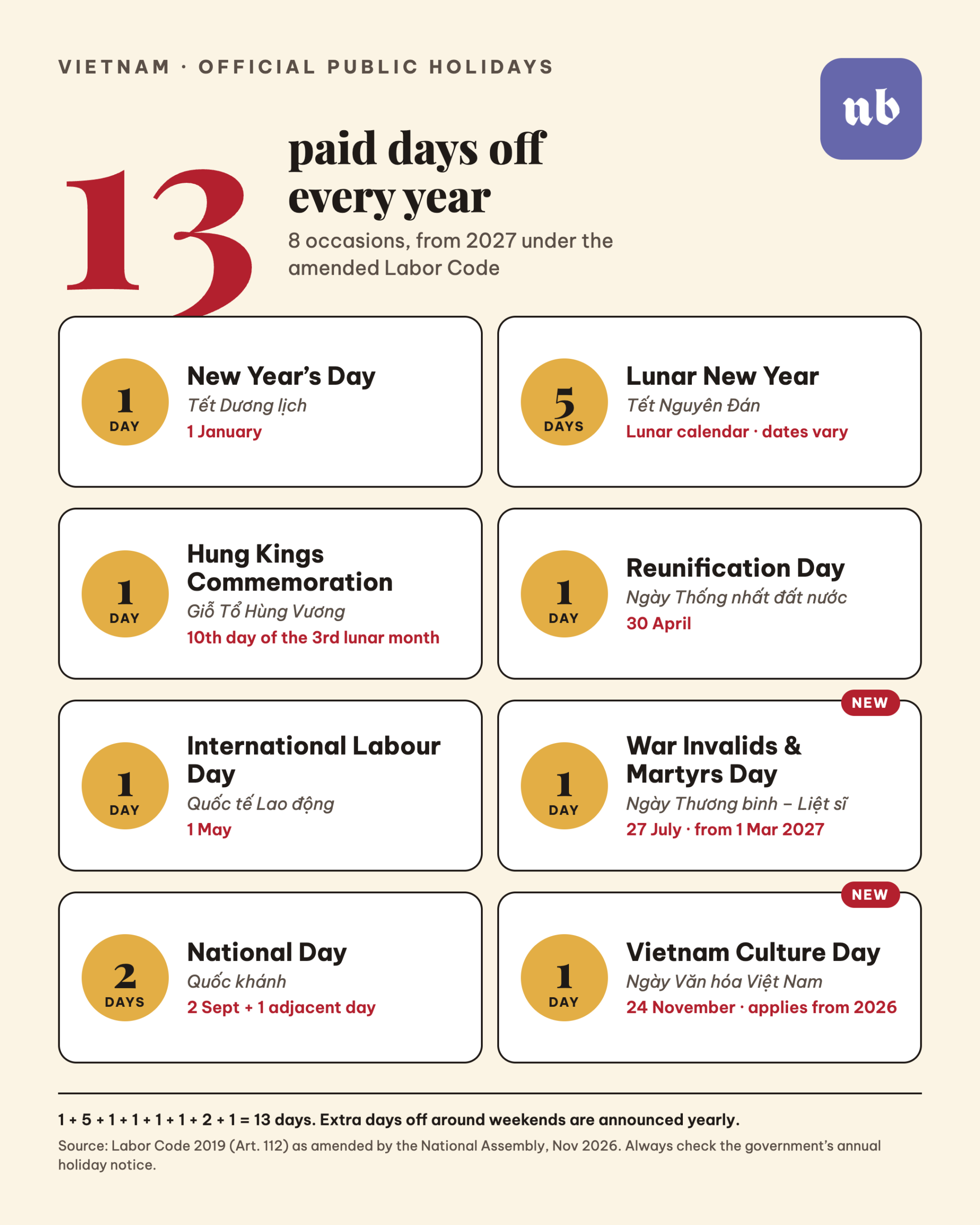
BREAKING: Vietnam Expands Paid Public Holidays to 13 Days Starting 2027

Essential Executive Search Strategies for Business and Leadership Success
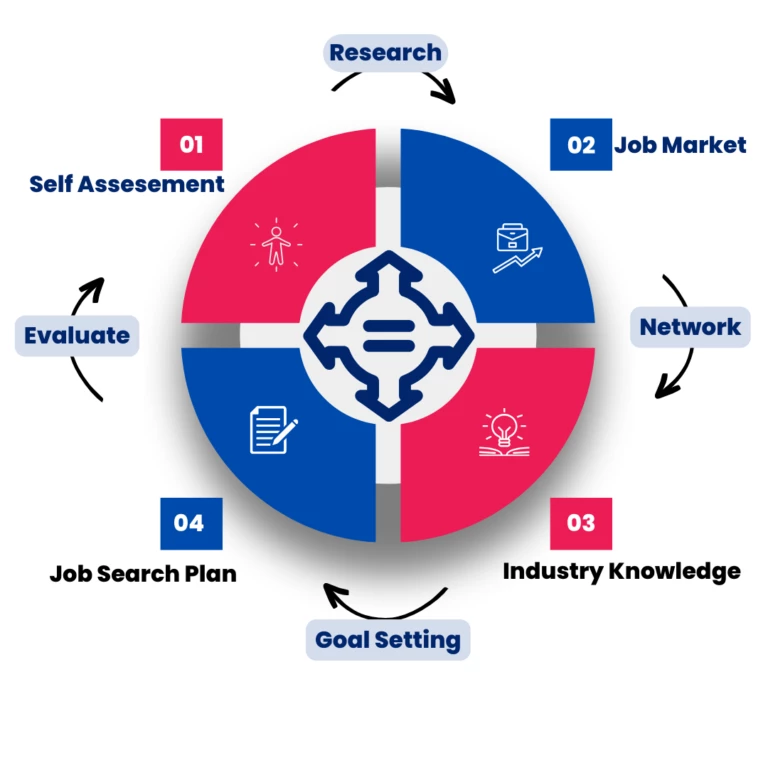
Navigating the Post-Graduate Job Market: A Strategic Guide for Global Talent