



NEWS
Navigating the Post-Graduate Job Market: A Strategic Guide for Global Talent

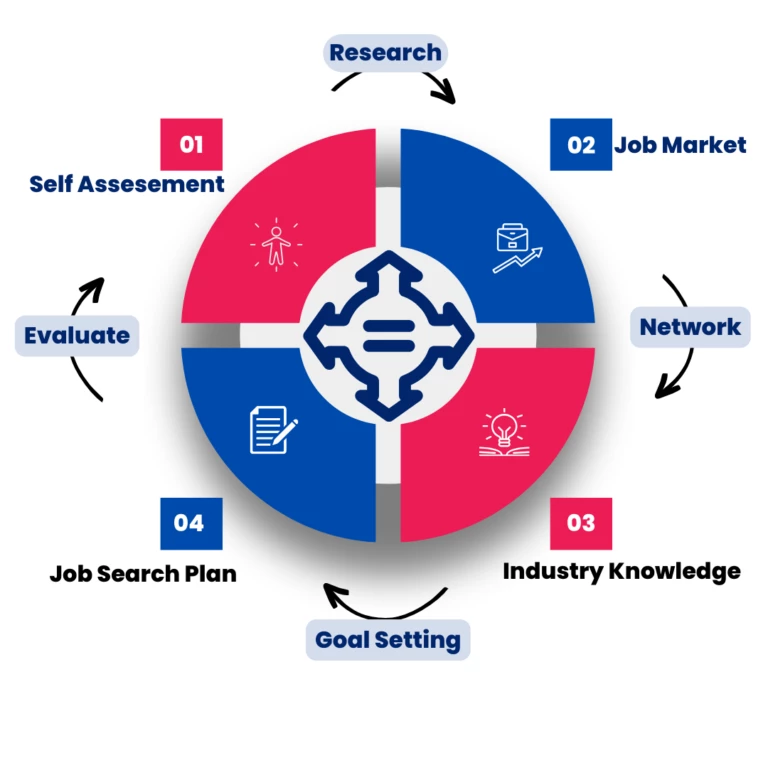
Navigating the Job Market: Strategies for a Successful Career Search. (Source of Image: empowered decision)
Securing your first professional role is a significant milestone. However, in today’s hyper-competitive landscape, success demands more than just a degree. Whether you are targeting a tech hub or a creative capital, these research-backed strategies will help you transition seamlessly from the classroom to the corporate world.
Define Your Professional Identity
Before initiating your search, you must establish a clear professional vision.
- The Self-Assessment: Critically evaluate your values, strengths, and interests. Identifying your core motivators and areas for development will allow you to target roles that align with your long-term career goals.
- The “Intrinsic Drive”: Employers frequently prioritize potential and motivation over years of experience. While technical skills can be cultivated, “hunger” is innate. Position yourself as a high-potential candidate by demonstrating a proactive commitment to growth.
- The Power of the Portfolio: For candidates in technical or creative sectors (such as architecture or software engineering), a digital portfolio is indispensable. It provides recruiters with tangible evidence of your technical proficiency and creative problem-solving skills.

Job boards only show a fraction of what’s available. Many of the best roles are filled via networking and referrals before they even go public. To get ahead, you must learn to tap into the “hidden job market” where the real opportunities lie. (Source of Image: LinkedIn)
High-Impact Application Strategies
Avoid the common pitfall of high-volume, low-quality applications.
- Quality Over Quantity: While “Easy Apply” features are convenient, applying directly through a company’s career portal often provides more opportunities for customization and ensures your application is properly tracked.
- Optimize for ATS: Many organizations utilize Applicant Tracking Systems (ATS) to filter candidates. Tailor your resume for every submission by integrating keywords found in the specific job description.
- The One-Page Standard: Maintain a concise, high-impact resume, ideally a single page. Focus on quantifiable achievements; use data to illustrate how you drove engagement, optimized processes, or contributed to projects.
- Prioritize Timeliness: Many firms close applications once a sufficient talent pool is identified. Applying early significantly improves your visibility.
Leverage the “Hidden” Job Market
Estimates suggest that up to 80% of roles are filled through networking rather than public job boards.
- Engage Your Alumni Network: Connect with alumni on LinkedIn. Request a brief “informational interview” to gain industry insights. Focus on building relationships rather than requesting a job immediately.
- Active Presence: Cultivate a professional digital footprint. Engaging with industry content and joining professional groups increases your visibility to the 95% of recruiters who actively source talent on LinkedIn.
- The Referral Advantage: Candidates with internal referrals are significantly more likely to be hired than those applying without a connection.
Ace the Interview and Beyond
An interview invitation places you in the top tier of applicants, but conversion requires meticulous preparation.
- The STAR Method: For behavioral questions, use the STAR framework: describe the Situation, Task, Action, and Result. This ensures your answers are structured and results-oriented.
- Frame Career Gaps Strategically: If there is a gap between graduation and your first role, frame it as a period of intentional professional development or upskilling.
- Conduct Due Diligence: An interview is a bilateral evaluation. Inquire about the company’s challenges and culture to determine if the environment aligns with your professional standards.
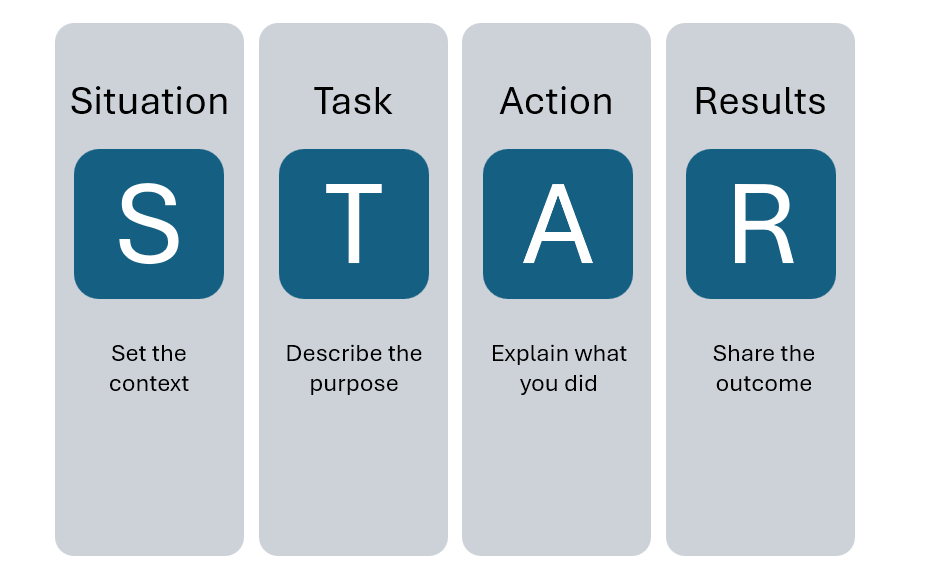
The STAR interview method is a technique through which candidates can answer the questions asked by HR or management of any company effectively by understanding the behavioral aspects and telling relatable and convincing stories. (Source of Image: fppt.com)
Resilience as a Strategic Asset
The job search is a marathon of persistence. On average, only 2% of online applications result in an interview. Treat rejection as a data point rather than a failure. Set weekly targets for applications and networking outreach to maintain momentum and ensure long-term success.
Edited by NURVOKHID BAKHROMOV, Talent Researcher – NB Asia Executive Search Team; proofread by NB Asia Executive Search LLC – Brand Identity Team
NB Asia is a highly experienced and strategic human resources consulting firm that specializes in providing an extensive range of executive placement, board services, organizational structure, and people solutions to business partners throughout Asia. We are privileged to have the opportunity to work with many great companies in various industries across Asia. Don’t forget to follow NB Asia’s social media pages across multiple platforms (Facebook, Instagram, and LinkedIn) for updates on good knowledge and beautiful life information, and let’s work together to bring a better life to everyone!
For clients, please contact us via email at SERVICES@nbvn.asia, and for candidates, please email us at PEOPLE@nbvn.asia. We will respond to your inquiry within 24 hours.
Related news

Essential Executive Search Strategies for Business and Leadership Success

Navigating the Post-Graduate Job Market: A Strategic Guide for Global Talent

A Message of Appreciation from NB Asia Executive Search LLC!
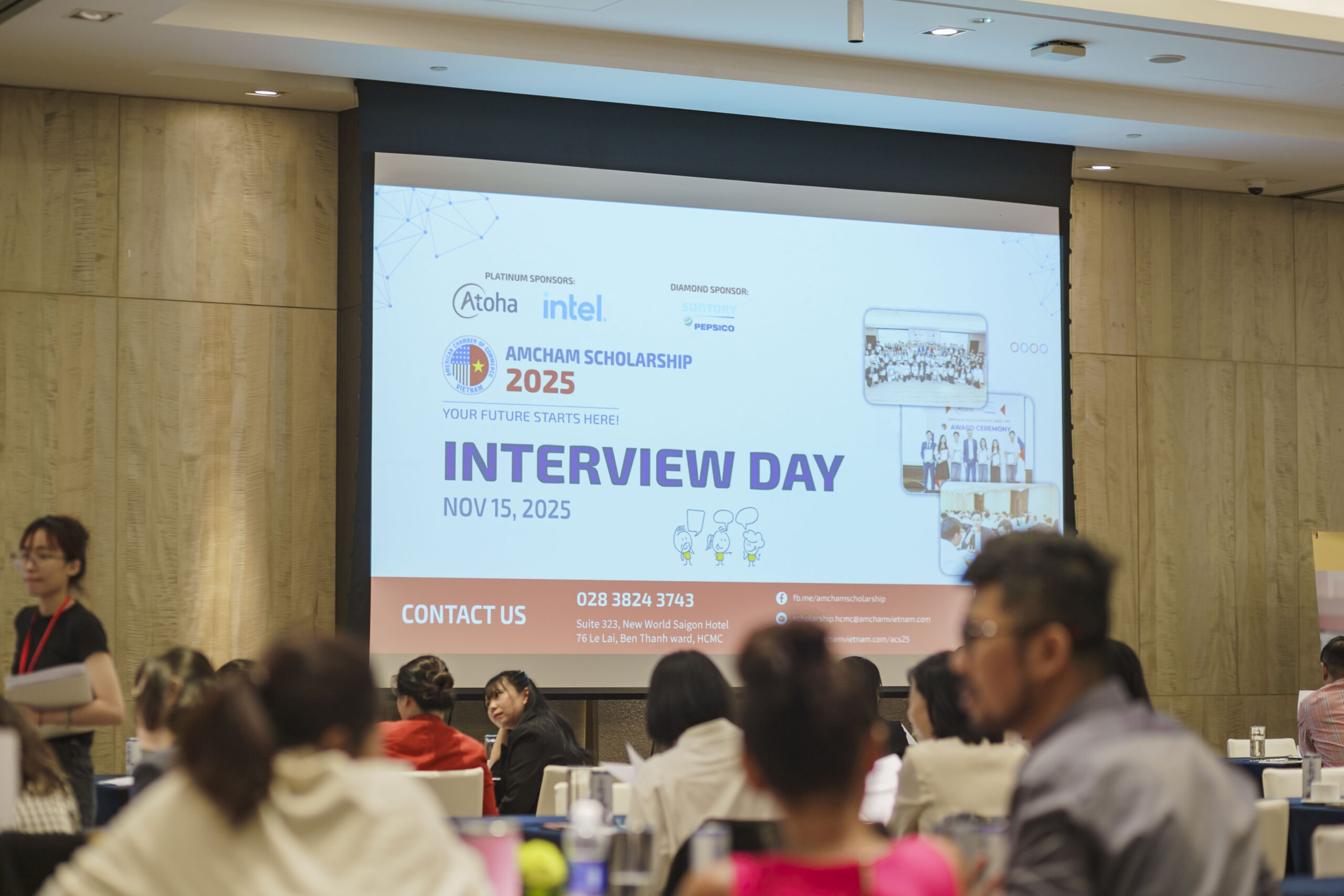
Empowering Future Leaders: NB Asia’s Participation in the AmCham Scholarship Selection Day